

Optimising ADC Design with Smarter Conjugation: Interview with Jagath Reddy Junutula
As ADC development continues to mature, innovations in linker hydrophilicity and site-specific conjugation are playing a critical role in improving stability, homogeneity, and overall therapeutic performance. Jagath Reddy Junutula, President, Chief Executive Officer & Co-Founder at Aarvik Therapeutics, is focused on optimising ADC design through a holistic approach that integrates advancements across linkers, payloads, and antibodies. In this interview, he shares his insights into the growing importance of site-specific conjugation, strategies to enhance ADC hydrophilicity without compromising efficacy, and what he’s excited to discuss with peers at the 4th ADC Linker & Conjugation Summit.

1. What are the opportunities for ADC linker & conjugation technologies at the moment?
We currently see several opportunities in the linker and conjugation technology spaces. On the linker technology side, reducing overall hydrophobicity of ADCs by engineering hydrophilic linkers and spacers has become very important.
On the conjugation chemistry side, first-generation ADCs developed using lysine or cysteine conjugation chemistry without defined conjugation sites resulted in heterogeneous mixtures of ADCs. Since the first demonstration of site-specific conjugation (THIOMAB™ technology), the field has blossomed to include over 20 different site-specific conjugation methods that result in homogeneous DAR ADCs. Site-specific conjugation has now become a standard of practice in ADC drug development.
2. How has linker & conjugation chemistry in this space evolved recently?
With regard to linker technologies, we can now employ linker-release mechanisms that support dual payloads and utilize cleavage strategies triggered by either lysosomal enzymes or conditions within the tumor microenvironment.
Site-specific conjugation technology is well established in the ADC space, but incorporating it along with innovations in antibodies, linkers and payloads can result in further enhancement and optimization of the overall ADC profile.
3. What are the most promising linkers & conjugation methods in the space at the moment?
Any site-specific conjugation method that results in homogeneous DAR is adequate. A hydrophilic linker technology is good if it does not introduce bulky polymers that can increase the overall size of the ADC, which can potentially result in reduced permeability in tumor tissues or an immunogenic response.
4. What is some exciting work that you are looking forward to sharing at the summit?
At Aarvik, we have developed the AQUALINK™ platform to improve hydrophilicity of ADCs using simple sugars, thereby avoiding the use of hydrophilic polymers such as PEG (polyethylene glycol) and PSAR (polysarcosine) which can add bulk. This platform can be extended to several linker-payloads with different mechanisms of action. We are excited to present data from the AQUALINK™ platform at this summit.
Each component of ADCs continues to evolve, and intelligently combining these innovations will result in better overall success for ADCs. At Aarvik, we are dedicated to developing improved payloads, linkers, spacers and dual-targeting antibodies through our proprietary AQUALINK™ and MUTTA™ platforms and applying our holistic approach to developing next-generation ADCs for difficult-to-treat tumors.
5. What are you looking forward to at the 4th ADC Linker & Conjugation Summit?
We look forward to seeing data on novel payloads beyond tubulin binders, Topoisomerase 1 inhibitors and DNA alkylators that can expand the mechanisms of action of ADCs and can support dual payload ADCs. We also look forward to seeing more application of dual payloads and payload matching with cancer indications.
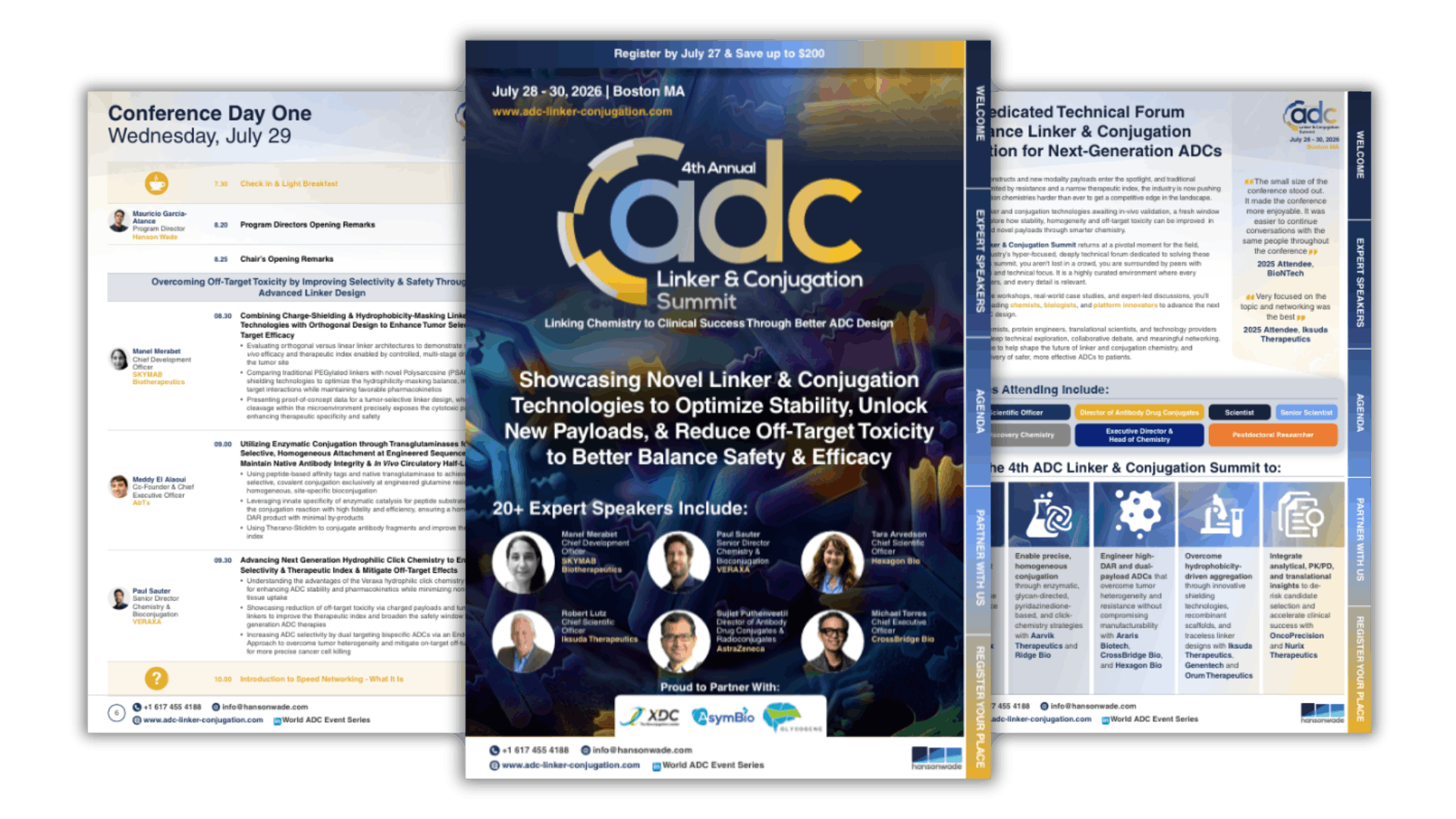
Explore the 2026 Event Guide
The 4th ADC Linker & Conjugation Summit was the only dedicated platform focused solely on solving the chemistry challenges underpinning next-generation ADC design.
Highlights Included:
- 20+ expert speakers from leading big pharma and biotech organizations advancing linker and conjugation innovation
- Actionable, technical insights into site-specific, enzymatic, glycan-directed, click-chemistry, and pyridazinedione-based conjugation strategies
- Case studies on dual-payload ADCs, high-DAR constructs, degrader-antibody conjugates, and orthogonal conjugation platforms
- 2 interactive pre-conference workshops bridging chemistry with PK/PD and translational performance
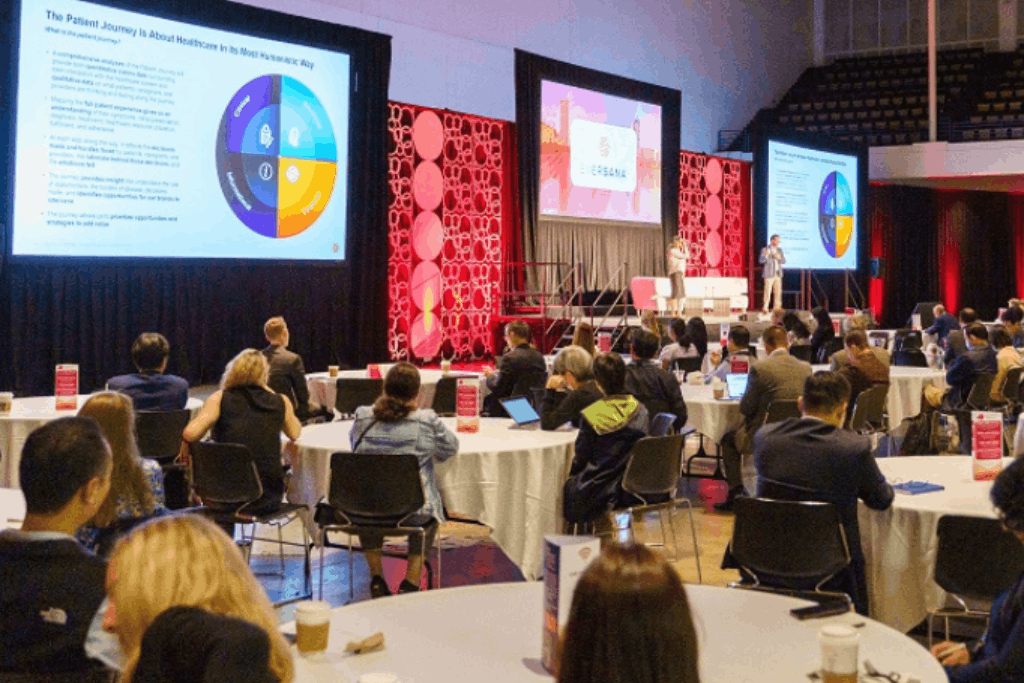
Explore the 2026 Agenda
Attendees gained actionable insights from expert-led sessions on advanced linker design, next-generation bioconjugation chemistries, and strategies to minimize off-target toxicity.
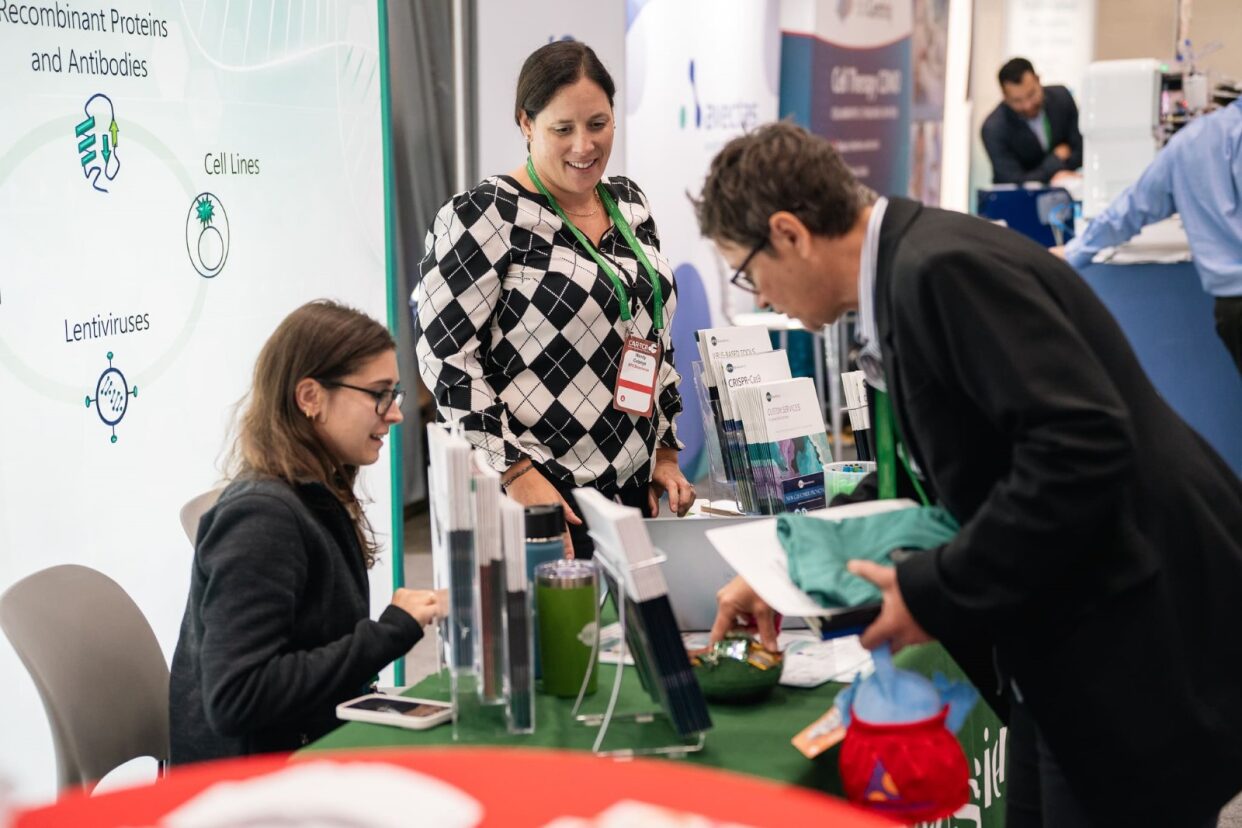
Partner With Us
Connect with 80+ ADC linker and conjugation leaders actively seeking solutions to advance the design, production and testing their of next-generation ADC technologies.
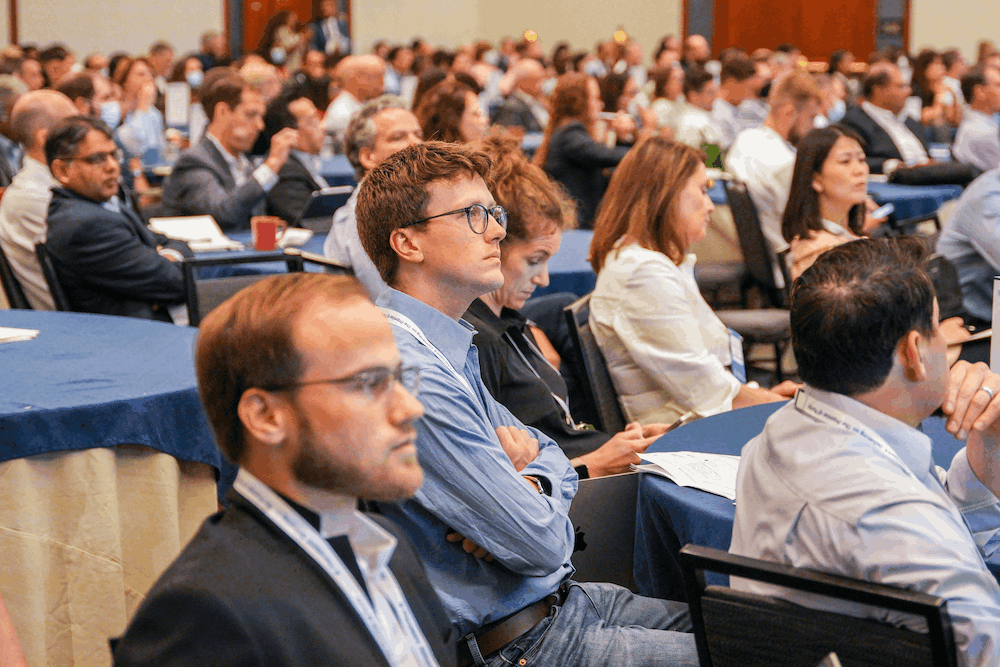
Join ADC Linker & Conjugation Experts
Network with senior scientists and highly technical experts working at the cutting edge of ADC chemistry, alongside key decision makers from leading biopharma organizations, in dedicated sessions designed to build meaningful collaborations.