

Designing Next-Gen ADCs with Precision: Interview with Weston Kightlinger
As ADC pipelines expand into more complex targets and novel therapeutic areas, the demand for highly precise conjugation and advanced linker technologies is rapidly increasing. Weston Kightlinger, Chief Executive Officer at Ridge Bio, is focused on developing next-generation platforms that enable more sophisticated ADC designs, from dual payloads to conditionally activated linkers. In this interview, he shares his perspective on the shift toward site-specific, stable conjugation, the growing importance of tumor-selective release mechanisms, and what he’s looking forward to discussing with peers at the 4th ADC Linker & Conjugation Summit.

1. What opportunities do you currently see for ADC linker and conjugation technologies?
The established targets and established payload-linker combinations are crowded or already in late-stage development, which means the programs that will define the next decade require more complex molecular designs — dual payloads, next-generation hydrophobic payloads like PROTACs and degraders, non-internalizing targets, and bispecific formats — each of which places higher demands on conjugation precision and linker design than current technologies provide. At the same time, ADCs are beginning to move into autoimmune, inflammatory, and other chronic disease settings, where immunogenicity and long-term tolerability raise the bar considerably. That’s precisely the landscape we built Ridge to operate in — the opportunity isn’t incremental improvement on existing chemistry, it’s building tools that are genuinely fit for this next generation of programs from the ground up.
2. How has linker and conjugation chemistry evolved in recent years?
In conjugation chemistry, the defining shift has been from stochastic and unstable to site-specific and stable conjugation — initially these systems were chosen to simplify manufacturing and the regulatory burden of characterizing a heterogeneous mixture versus a single molecular entity but now site-specific and stable conjugation has become a necessity as the efficacy and tox advantages of having a defined product that stays intact until it reaches its target have become clear. On the linker side, the field is looking beyond standard ValCit linkers toward architectures that build stability and selectivity directly into the release mechanism, exploiting tumor-specific proteases to widen the therapeutic index by design. These factors, and competition in the ADC field in general, mean that drug developers generally need to partner with technology developers to ensure that their linker and conjugation chemistry is not only fit for purpose, but differentiates their program.
3. Which linker and conjugation methods do you believe are the most promising today?
To me, the most promising conjugation methods don’t just provide site-specificity, they generate drugs with superior therapeutic properties. In addition, I find methods that work with native antibodies to be much more compelling due to issues with immunogenicity and biophysical properties that can arise when tags are added or glycans are removed. These are the factors that we successfully optimized for in our NativeLink technology. In terms of linkers, I’m excited about systems like Protrigger that are conditionally activated by the tumor microenvironment or even logic gating built into the linker. The most exciting approaches are those that make new targets accessible because this expands the set of patients that can be successfully treated.
4. What exciting work are you looking forward to sharing at the Summit?
I’ll be presenting on Ridge’s NativeLink and ProTrigger platforms. For NativeLink I’ll be sharing how we used high-throughput wet lab experimentation and AI design to develop our NativeLink-AXC conjugation platform. I’ll show recent data demonstrating site-specific, homogeneous conjugation on native, unmodified antibodies, and how this leads to better hydrophilicity, stability, effectiveness, and toxicity profiles in vivo compared to over conventional conjugation approaches. This platform has been surprisingly translatable across antibody oligo conjugates, radioconjugates, dual-payload conjugates, degrader-antibody conjugates, and other modalities. I’ll also be sharing how the same wet lab and ML platform has allowed us to design ProTrigger linkers that are selectively cleaved by enzymes in the tumor microenvironment.
5. What are you most looking forward to at the 4th ADC Linker & Conjugation Summit?
Being surrounded by specialists and decision-makers who want to ensure that they give their drug program the best chance of success by choosing the best available linker and conjugation system for their programs. We have seen incredibly strong interest in our technologies from pharmas and biotechs and look forward partnering with these groups to build better drugs.
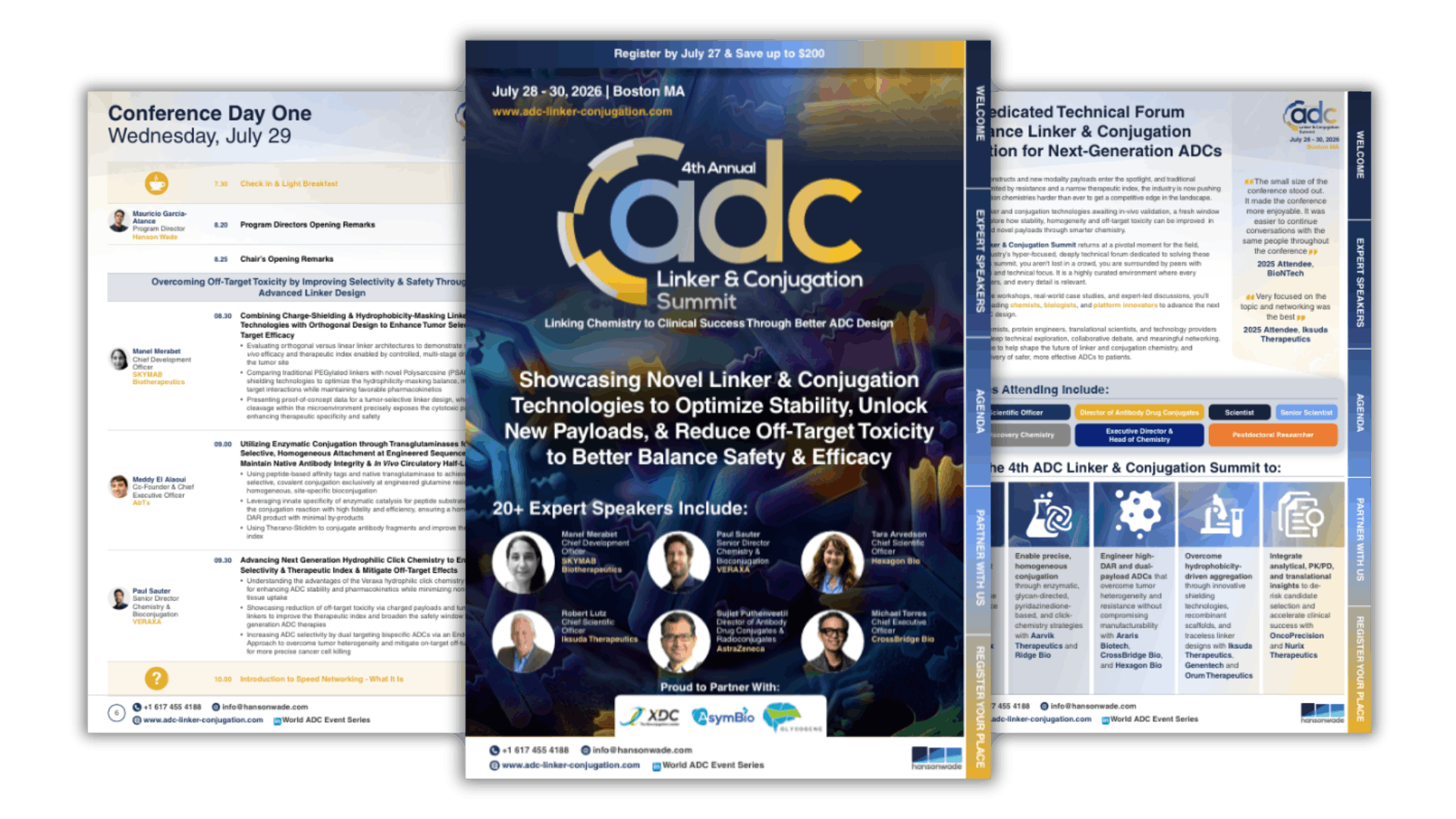
Explore the 2026 Event Guide
The 4th ADC Linker & Conjugation Summit was the only dedicated platform focused solely on solving the chemistry challenges underpinning next-generation ADC design.
Highlights Included:
- 20+ expert speakers from leading big pharma and biotech organizations advancing linker and conjugation innovation
- Actionable, technical insights into site-specific, enzymatic, glycan-directed, click-chemistry, and pyridazinedione-based conjugation strategies
- Case studies on dual-payload ADCs, high-DAR constructs, degrader-antibody conjugates, and orthogonal conjugation platforms
- 2 interactive pre-conference workshops bridging chemistry with PK/PD and translational performance
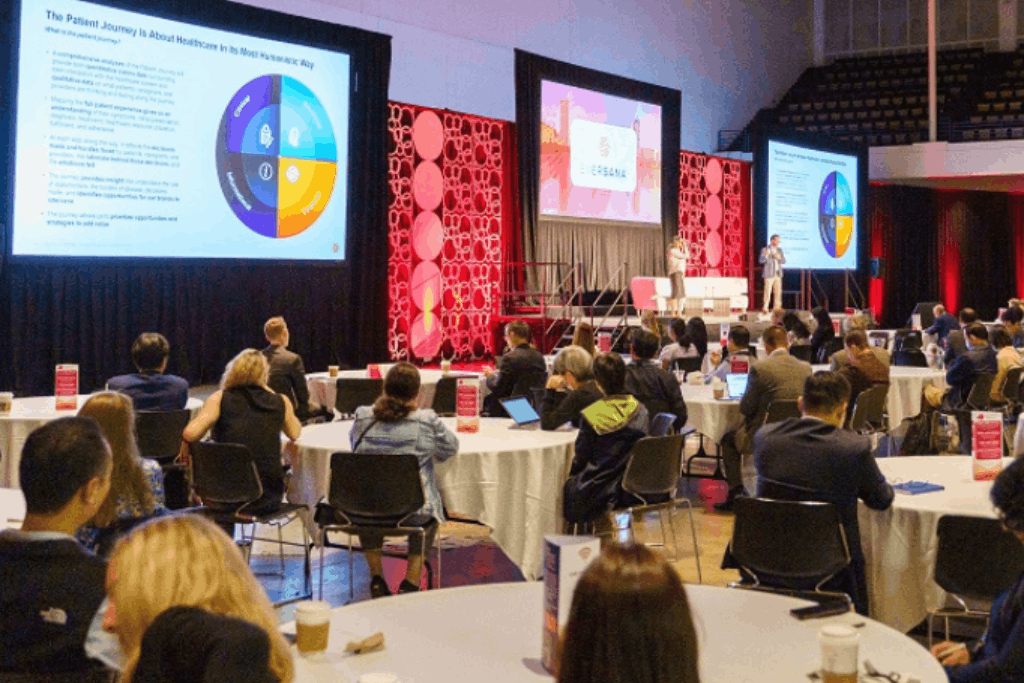
Explore the 2026 Agenda
Attendees gained actionable insights from expert-led sessions on advanced linker design, next-generation bioconjugation chemistries, and strategies to minimize off-target toxicity.
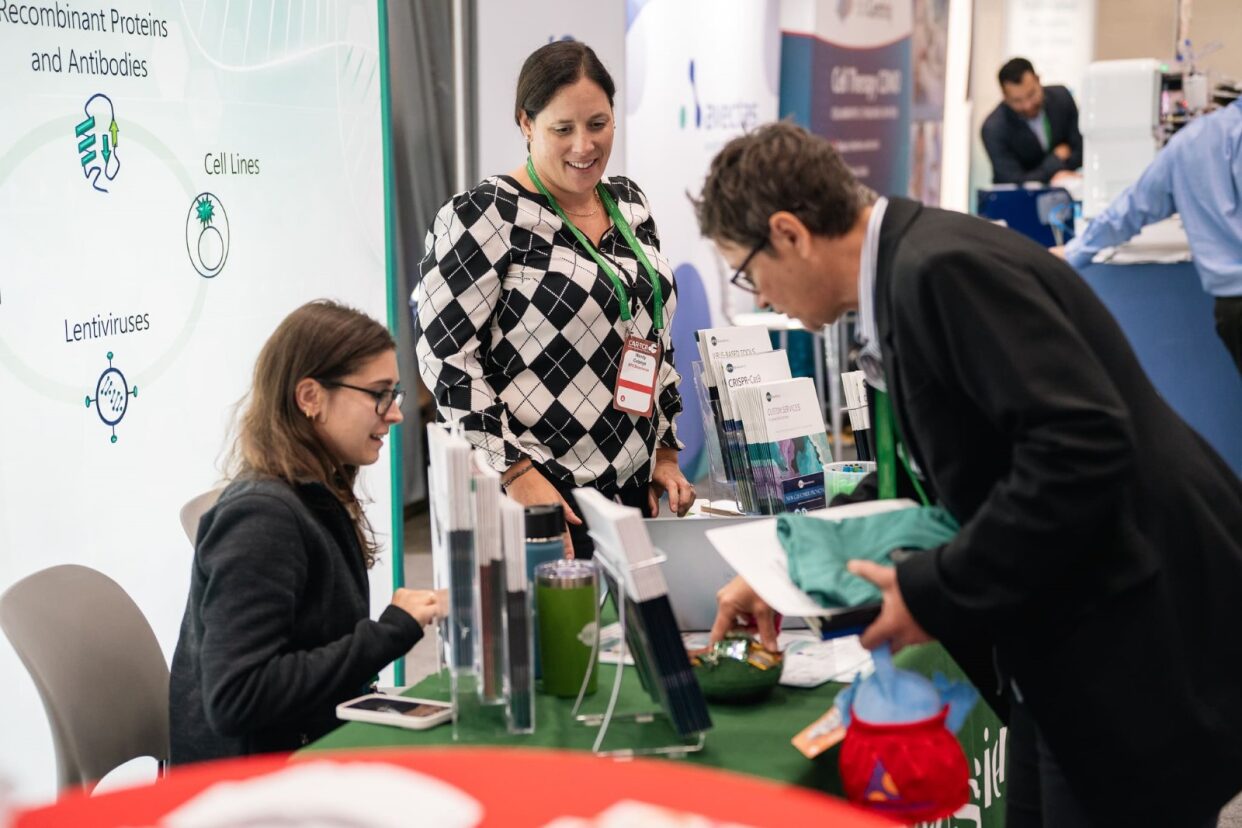
Partner With Us
Connect with 80+ ADC linker and conjugation leaders actively seeking solutions to advance the design, production and testing their of next-generation ADC technologies.
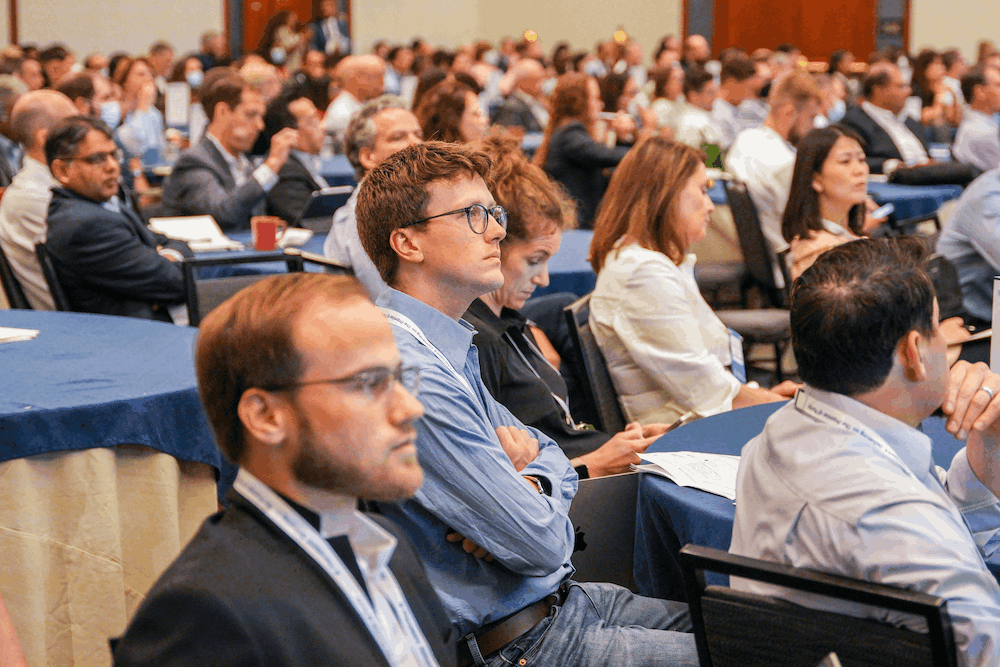
Join ADC Linker & Conjugation Experts
Network with senior scientists and highly technical experts working at the cutting edge of ADC chemistry, alongside key decision makers from leading biopharma organizations, in dedicated sessions designed to build meaningful collaborations.