

1. What opportunities do you currently see for ADC linker and conjugation technologies?
I see major opportunities to use linker and conjugation technologies as true design levers for improving therapeutic index, not just as attachment strategies. This is especially important for dual-payload ADCs, where precise control of payload ratio, release kinetics, hydrophilicity, and conjugation site can help address tumor heterogeneity and resistance.
2. How has linker and conjugation chemistry evolved in recent years?
The field has moved from more stochastic lysine and cysteine conjugation approaches toward site-specific, more homogeneous, and better-controlled ADC architectures. At the same time, linker design has become much more sophisticated, with greater emphasis on hydrophilic linkers, tunable release mechanisms, and strategies that improve stability, PK, and manufacturability.
3. Which linker and conjugation methods do you believe are the most promising today?
I think the most promising approaches are site-specific and orthogonal conjugation methods, including engineered cysteines, glycan-directed conjugation, enzymatic methods, click chemistry, and disulfide rebridging. For linkers, hydrophilic cleavable designs, such as β-glucuronidase cleavable linkers are especially exciting because they can enable high-DAR and dual-payload ADCs while reducing aggregation and clearance risks.
4. What exciting work are you looking forward to sharing at the Summit?
I am looking forward to discussing how dual-payload ADCs can be designed as integrated systems, where payload pairing, linker hydrophilicity, conjugation site, and release biology all work together. I am excited to share results on how dual-arm-hydrophilic linker architectures and site-specific conjugation can help create more developable, homogeneous, and effective next-generation high DAR ADCs.
5. What are you most looking forward to at the 4th ADC Linker & Conjugation Summit?
I am most looking forward to the technical depth of the conversations, especially around dual-payload ADCs, hydrophilic linker design, and site-specific conjugation chemistry. It will be valuable to hear how different groups are balancing stability, release, hydrophobicity, DAR, manufacturability, and clinical translation in their ADC programs.
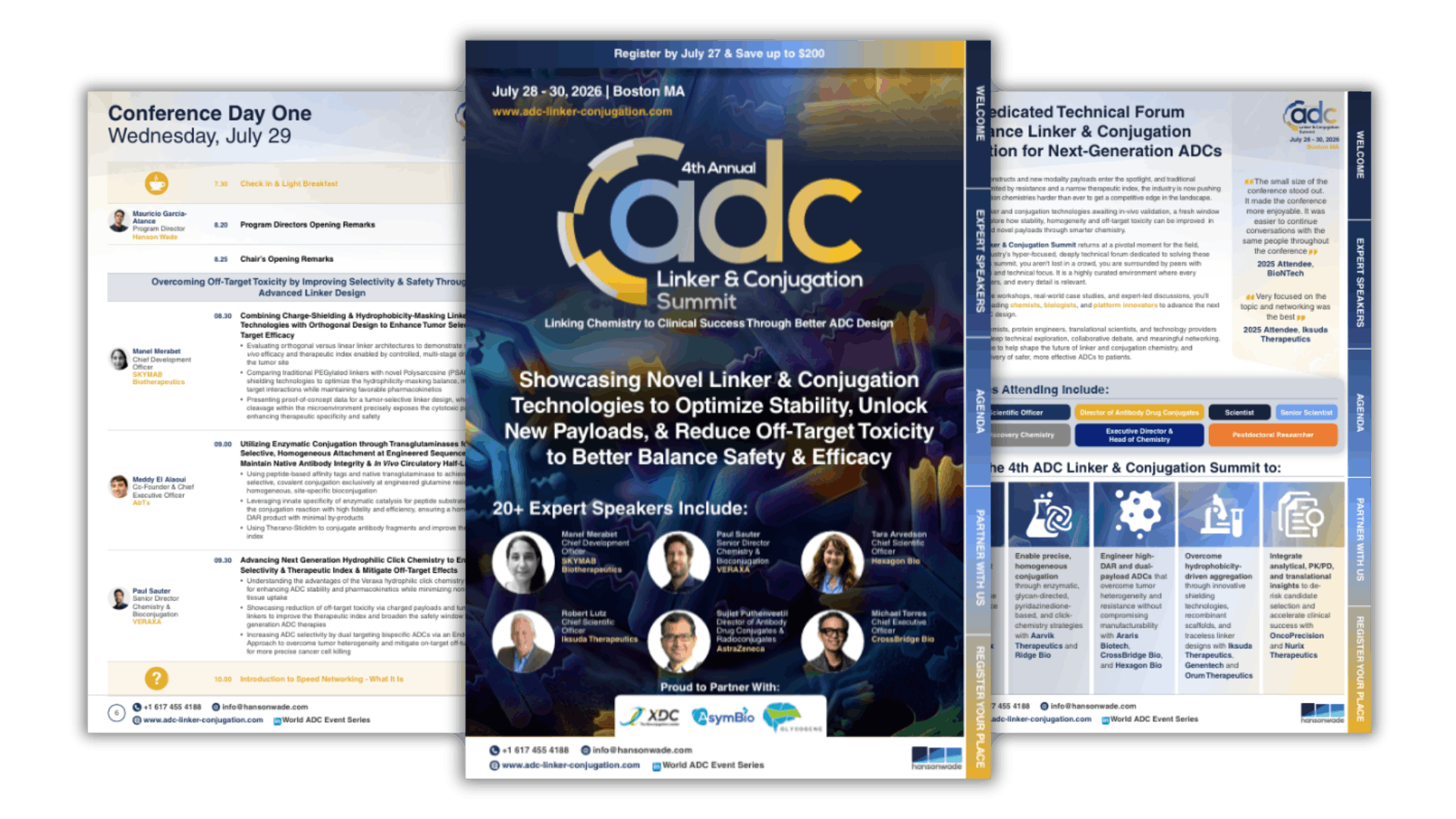
Explore the 2026 Event Guide
The 4th ADC Linker & Conjugation Summit was the only dedicated platform focused solely on solving the chemistry challenges underpinning next-generation ADC design.
Highlights Included:
- 20+ expert speakers from leading big pharma and biotech organizations advancing linker and conjugation innovation
- Actionable, technical insights into site-specific, enzymatic, glycan-directed, click-chemistry, and pyridazinedione-based conjugation strategies
- Case studies on dual-payload ADCs, high-DAR constructs, degrader-antibody conjugates, and orthogonal conjugation platforms
- 2 interactive pre-conference workshops bridging chemistry with PK/PD and translational performance
Explore the 2026 Agenda
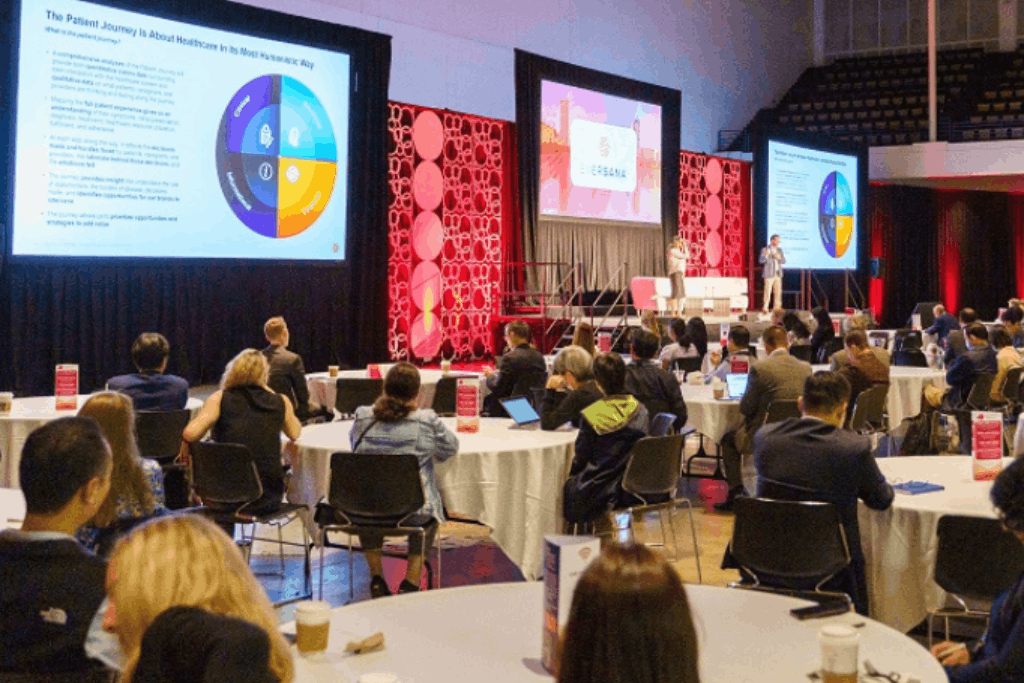
Attendees gained actionable insights from expert-led sessions on advanced linker design, next-generation bioconjugation chemistries, and strategies to minimize off-target toxicity.
Partner With Us
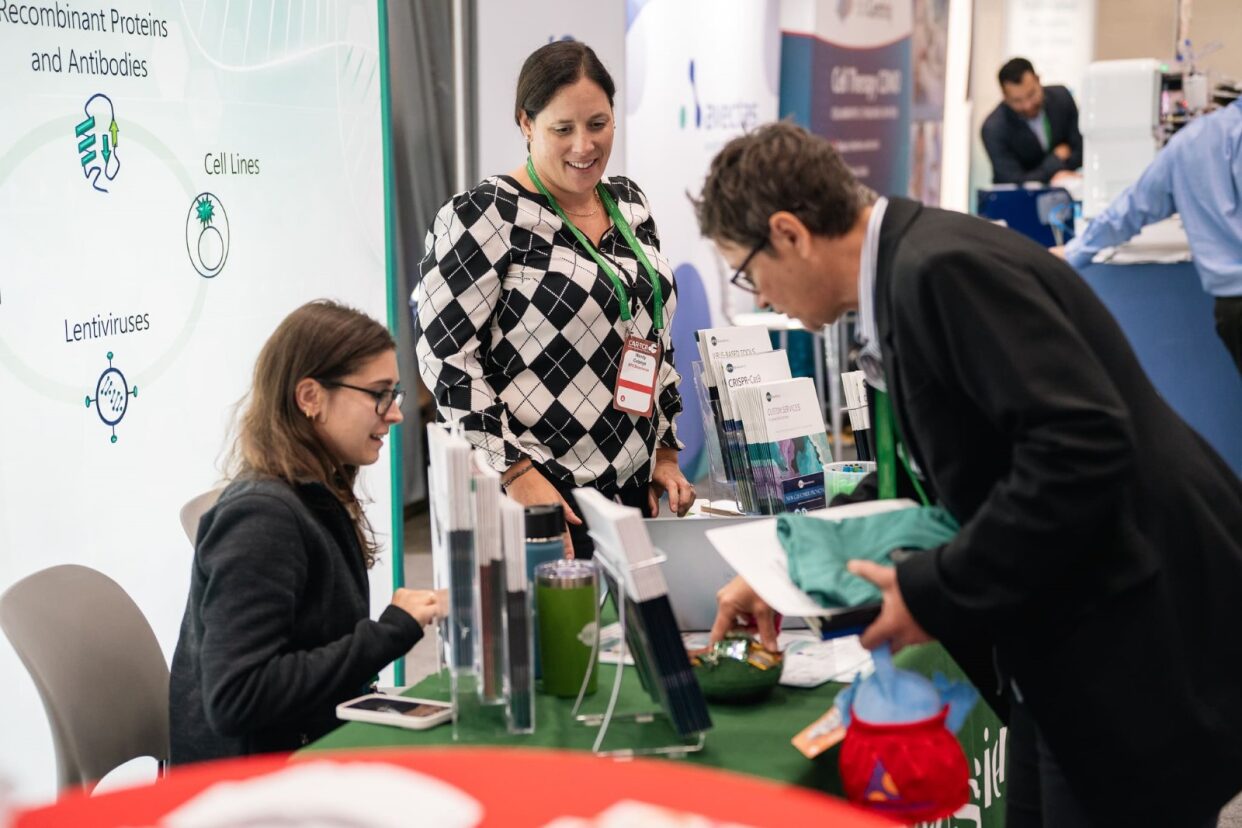
Connect with 80+ ADC linker and conjugation leaders actively seeking solutions to advance the design, production and testing their of next-generation ADC technologies.
Join ADC Linker & Conjugation Experts
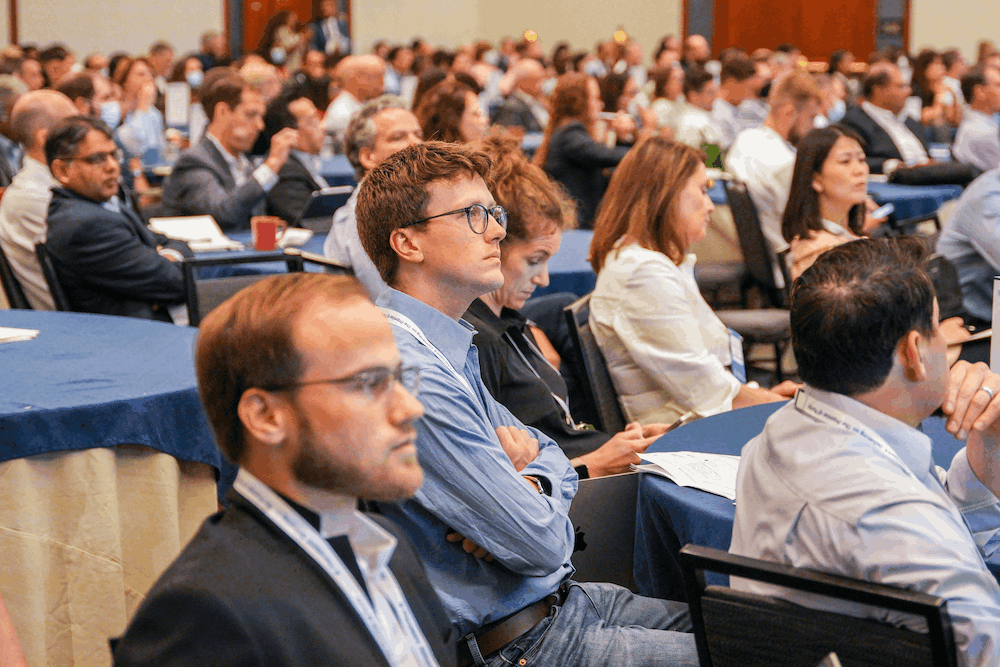
Network with senior scientists and highly technical experts working at the cutting edge of ADC chemistry, alongside key decision makers from leading biopharma organizations, in dedicated sessions designed to build meaningful collaborations.